Treatments
HALO Laser in the Bay Area: Cost, Downtime & Results in 2026
· 8 min read · Bay Area Med Spa Guide Editorial Team
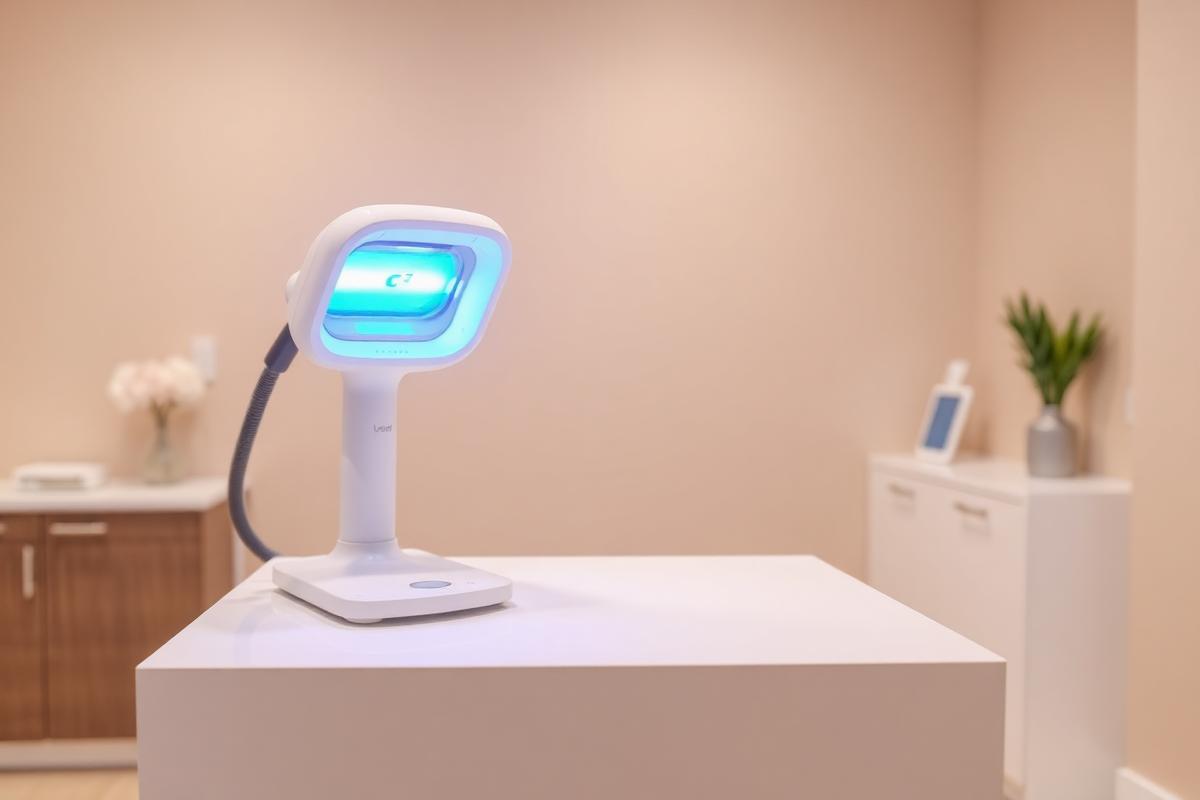
HALO by Sciton costs $1,400–$2,800 per session in the Bay Area — it's the only hybrid fractional laser that combines ablative and non-ablative wavelengths simultaneously, and it's become the signature full-correction skin treatment at premium Bay Area clinics.
Quick answer
HALO by Sciton costs $1,400–$2,800 per full-face session in the Bay Area. Downtime is 5–7 days of peeling and bronzing (the MENDS process), with most patients presentable by day 7–10 and full results visible at 3–4 weeks. Most patients need just 1 session per year for maintenance.
HALO by Sciton costs $1,400–$2,800 per full-face session in the Bay Area and has become the benchmark full-correction skin treatment at premium clinics — the first hybrid fractional laser to simultaneously deliver ablative resurfacing and non-ablative collagen stimulation in a single pass.
Why HALO Has Become the Bay Area's Signature Skin Treatment
HALO has achieved a dominant position at top Bay Area aesthetic practices because it solves the central trade-off in laser resurfacing: results vs. downtime. Before hybrid fractional lasers, patients had to choose between aggressive ablative resurfacing (CO2, Erbium) with 10–14 days of downtime, or gentle non-ablative treatments (Clear + Brilliant, BBL) with minimal downtime and incremental results.
HALO's simultaneous 1470nm non-ablative + 2940nm ablative delivery collapses that choice — meaningful resurfacing results with 5–7 days of manageable downtime.
The Bay Area context: a demographic that books skin treatments between work obligations, travels frequently, and cannot take 2 weeks off for aggressive ablation has driven HALO to near-ubiquity at the region's top skin clinics. It's the laser that fits the Bay Area lifestyle.
In 2026, HALO is also increasingly paired with BBL HERO in same-day sessions — the "Sciton Duo" — addressing both surface texture (HALO) and pigmentation/vascular concerns (BBL) simultaneously. This combination has become one of the highest-revenue single-day treatments at South Bay clinics.
How HALO Works: The Hybrid Fractional Difference
HALO simultaneously delivers two laser wavelengths in a single pass: 2940nm ablative (removes damaged tissue columns) and 1470nm non-ablative (heats surrounding tissue to stimulate collagen without ablation).
| Component | Wavelength | What It Does | Result Timeline |
|---|---|---|---|
| Ablative (Er:YAG) | 2940nm | Creates microscopic ablative channels — removes damaged top layer | Immediate texture improvement; MENDS peeling days 3–7 |
| Non-ablative (diode) | 1470nm | Heats dermis around ablative zones — triggers collagen neogenesis | Progressive improvement over 3–6 months |
The fractional delivery means only a percentage of skin is treated per pass (10–60% coverage depending on settings) — untreated surrounding tissue accelerates healing compared to fully ablative resurfacing.
Intelligent motion control: HALO uses a proprietary tracking system that maps the handpiece position in real time, ensuring even coverage across the entire treatment surface without overlap or missed areas. This is a meaningful clinical differentiator from manually-operated fractional devices.
Bay Area Pricing for HALO Laser
HALO pricing varies by treatment area, settings intensity (ablative depth and coverage percentage), and provider location.
| Treatment | Bay Area Price Range |
|---|---|
| HALO full face | $1,400–$2,800 |
| HALO face + neck | $2,000–$3,500 |
| HALO face + neck + chest | $2,500–$4,200 |
| HALO + BBL (face, same day) | $2,500–$3,800 |
| HALO + BBL (face + neck) | $3,200–$4,800 |
| HALO hands | $600–$1,000 |
| HALO neck only | $900–$1,400 |
By location:
| Location | HALO Full Face | HALO + BBL (face) |
|---|---|---|
| Palo Alto / Menlo Park | $2,200–$2,800 | $3,200–$3,800 |
| Los Gatos / Saratoga | $1,900–$2,500 | $2,800–$3,500 |
| San Jose (Santana Row) | $1,700–$2,200 | $2,500–$3,200 |
| Mountain View / Los Altos | $1,800–$2,400 | $2,600–$3,400 |
| Cupertino / Sunnyvale | $1,600–$2,200 | $2,400–$3,200 |
| San Mateo / Redwood City | $1,700–$2,300 | $2,500–$3,300 |
HALO Settings: Light vs. Aggressive
HALO is a tunable laser — the provider adjusts ablative depth and coverage percentage based on your skin concern, Fitzpatrick type, and downtime tolerance. The settings determine everything: your results and your recovery.
| Setting Level | Coverage | Ablative Depth | Downtime | Best For |
|---|---|---|---|---|
| Light / maintenance | 10–20% | Shallow | 3–4 days | Mild concerns, skin maintenance, first-timer |
| Standard | 25–40% | Medium | 5–7 days | Moderate sun damage, texture, pores |
| Aggressive | 45–60% | Deep | 7–10 days | Significant photoaging, deeper texture, acne scars |
Most Bay Area first-time HALO patients receive a standard protocol. Providers who push light settings to minimize downtime without discussing the trade-off in results are not serving the patient well.
Fitzpatrick type and HALO: HALO is safely used on Fitzpatrick I–III and carefully on Fitzpatrick IV with modified settings and rigorous pre-treatment priming (retinoids + hydroquinone for 4–6 weeks prior). It is not appropriate for Fitzpatrick V–VI. Darker-skin patients should ask specifically about the provider's experience with their skin tone before proceeding.
The HALO Experience: Day-by-Day
The HALO recovery follows a predictable arc — knowing what to expect at each stage prevents unnecessary anxiety and helps patients plan around the social downtime.
| Day | What Happens |
|---|---|
| Day 0 (treatment day) | Redness, heat, swelling. Face feels sunburned. Numbing cream worn for 30–45 min before treatment; procedure takes 30–45 min. |
| Day 1–2 | Redness, swelling, warmth. Skin feels tight. Bronze tone begins. |
| Day 3–4 | MENDS appear — tiny dark dots (microscopic debris) across treatment zones. Skin looks bronzed or speckled. This is expected and means the treatment worked. |
| Day 5–6 | Peeling begins. MENDS shed naturally with gentle cleansing. Do not pick or scrub. |
| Day 7 | Most peeling complete. Fresh, pink-toned skin underneath. |
| Week 2–3 | Pinkness fades, skin begins glowing. Texture improvement visible. |
| Month 1–3 | Collagen remodeling produces progressive texture refinement and tightening. |
| Month 3–6 | Full non-ablative collagen result visible — often more significant than the initial ablative improvement. |
HALO vs. Competing Lasers: Where It Fits
HALO occupies a specific tier in the laser landscape — above gentle non-ablative treatments, below aggressive full-ablative resurfacing.
| Laser | Type | Downtime | Correction Level | Bay Area Cost |
|---|---|---|---|---|
| Clear + Brilliant | Non-ablative fractional | 1–2 days | Mild — maintenance | $350–$600 |
| BBL HERO | Broadband light | Minimal | Pigment + vascular only | $600–$950 |
| HALO | Hybrid fractional | 5–7 days | Moderate — full correction | $1,400–$2,800 |
| Fraxel Dual | Non-ablative fractional | 5–7 days | Moderate | $1,200–$2,200 |
| CO2 fractional | Ablative fractional | 7–10 days | Moderate-aggressive | $1,800–$3,500 |
| Full CO2 | Fully ablative | 10–14 days | Aggressive | $2,500–$5,000 |
HALO vs. Fraxel Dual: Both are fractional with comparable downtime and indication overlap. HALO's intelligent motion tracking and simultaneous dual-wavelength delivery give it a clinical edge over Fraxel Dual, which is an older platform. Most Bay Area practices that had Fraxel have transitioned to HALO.
Who Is the Right HALO Candidate?
HALO delivers the best results for patients with moderate sun damage, textural concerns, and pore enlargement who can manage 5–7 days of social downtime.
Ideal candidates:
- Fitzpatrick I–III (and carefully IV with modified protocol)
- Moderate sun damage, age spots, uneven tone
- Fine lines, enlarged pores, early texture irregularities
- Superficial acne scarring (not deep ice-pick scars)
- Patients who have "outgrown" BBL or Clear + Brilliant and want the next level
- Active outdoor Bay Area lifestyle patients who have accumulated sun damage
Better alternatives exist for:
- Fitzpatrick V–VI — risk of hyperpigmentation; safer alternatives available
- Deep acne scars or significant textural damage — CO2 or Morpheus8 may be more effective
- Patients who cannot take 5+ days of social downtime — opt for lighter BBL series instead
- Active cold sore history — requires antiviral prophylaxis before treatment (non-negotiable)
Preparing for HALO: The 4-Week Protocol
Proper pre-treatment preparation significantly improves HALO results and reduces complication risk — most Bay Area providers require a 4-week prep protocol.
Standard pre-HALO protocol:
- Weeks 1–4: Daily SPF 50+, stop tanning completely
- Weeks 2–4: Retinoid use (tretinoin or retinol) to prime cell turnover — stop 5 days before treatment
- For Fitzpatrick III–IV: Hydroquinone or azelaic acid 4–6 weeks prior to suppress potential PIH response
- History of cold sores: Antiviral medication (valacyclovir) starting 2 days before treatment
- Stop: Accutane (6 months prior), blood thinners, vitamin E (5 days prior)
Post-HALO care is equally critical: gentle cleanser only, barrier cream, strict SPF, no retinoids or actives for 2 weeks, no exercise or heat for 5–7 days (increases swelling and extends recovery).
Prices reflect 2026 Bay Area market rates. HALO laser is a medical procedure requiring operator training and appropriate patient selection. Results vary by settings, skin type, and post-care compliance. Consult a licensed provider with documented HALO experience before proceeding.
For Patients
Find the right Bay Area clinic for you
Get our vetted clinic picks, real pricing ranges, and treatment guides — straight to your inbox.
Or get matched with a provider now →For Med Spa Owners
Reach thousands of Bay Area patients
List your clinic on Bay Area Med Spa Guide and get in front of high-intent patients actively searching for providers like you.
- ✓ Free to list — no upfront cost
- ✓ Appear in city and treatment searches
- ✓ Featured placement available
Frequently asked questions
Editorial content only — not medical advice. Consult a licensed provider before starting treatment.