Treatments
Hairline Thinning in Your 30s: A Non-Surgical Bay Area Guide (2026)
· 9 min read · Bay Area Med Spa Guide Editorial
If your hairline or part line is starting to look thinner in your 30s and a hair transplant feels like a big first step, it isn't your only option. Here's a staged, non-surgical approach Bay Area providers actually use — plus one popular option that's currently under real FDA scrutiny.
Quick answer
For hairline and part-line thinning in your 30s, start with topical minoxidil ($20–$40/month) — the only FDA-approved treatment for female pattern hair loss — combined with at-home microneedling. If that's not enough after 3–6 months, PRP scalp injections ($600–$1,500/session, 3–4 sessions) and FDA-cleared low-level laser therapy devices ($600–$2,000 one-time) are legitimate next steps. Scalp micropigmentation (SMP) can visually camouflage thinning without surgery once you're ready for that step. One popular add-on to skip or seriously question for now: exosome therapy, which has zero FDA-approved products and has been the target of active FDA warning letters to clinics, including in California, in 2026.
The Problem: Your Hairline Is Changing, But a Transplant Feels Like Too Big a Step
If you're in your 30s and noticing your hairline or part line looking thinner — more scalp visible, less density along the front — you're not imagining it, and you don't have to jump straight to a surgical hair transplant to do something about it. Hormonal shifts, chronic stress, and years of parting hair in the same spot (which can cause traction-related thinning right along that line) are all common, treatable contributors in this age group. The right approach is usually staged: start non-invasive, escalate only if you need to.
Step 1: Home Care (Start Here, Give It Real Time)
This is the lowest-cost, lowest-risk starting point, and it's genuinely effective for a meaningful share of early thinning — the mistake most people make is not giving it long enough before deciding it's not working.
Topical minoxidil (2% or 5% solution, or 5% foam) is the only FDA-approved medication specifically for female pattern hair loss. It works by improving blood flow to the follicle and extending the hair growth phase. Cost runs roughly $20–$40/month, available over the counter at any pharmacy. Give it a genuine 4–6 months of consistent daily use before judging results — this is not a fast treatment, and stopping early is the most common reason people conclude "it didn't work" when it may not have been given a real chance.
At-home microneedling (a 0.25–0.5mm dermaroller or dermapen) paired with a scalp serum can improve absorption of topical treatments and mildly stimulate the scalp. Cost is $15–$50 for the device plus $30–$80/month for serum. This is a genuinely low-risk add-on, though the evidence for microneedling alone (without minoxidil) is thinner than for minoxidil itself.
Step 2: Professional Scalp Treatments (If Home Care Isn't Enough)
Once you've given home care a real trial and want more, two professional options have real evidence and real regulatory clearance behind them — and one popular add-on currently doesn't.
PRP (Platelet-Rich Plasma) — A Legitimate Next Step
PRP draws a small blood sample, concentrates the growth factors via centrifuge, and injects that plasma directly into the scalp to stimulate dormant follicles. It uses your own blood — not a synthetic or donor product — and has a reasonable evidence base for early-to-moderate thinning. Most patients need a series of 3–4 sessions spaced about a month apart, at $600–$1,500 per session, with visible improvement typically taking 3–6 months to appear. It won't help in areas that are already fully bald with no dormant follicles left.
Low-Level Laser Therapy (LLLT) — FDA-Cleared, At-Home
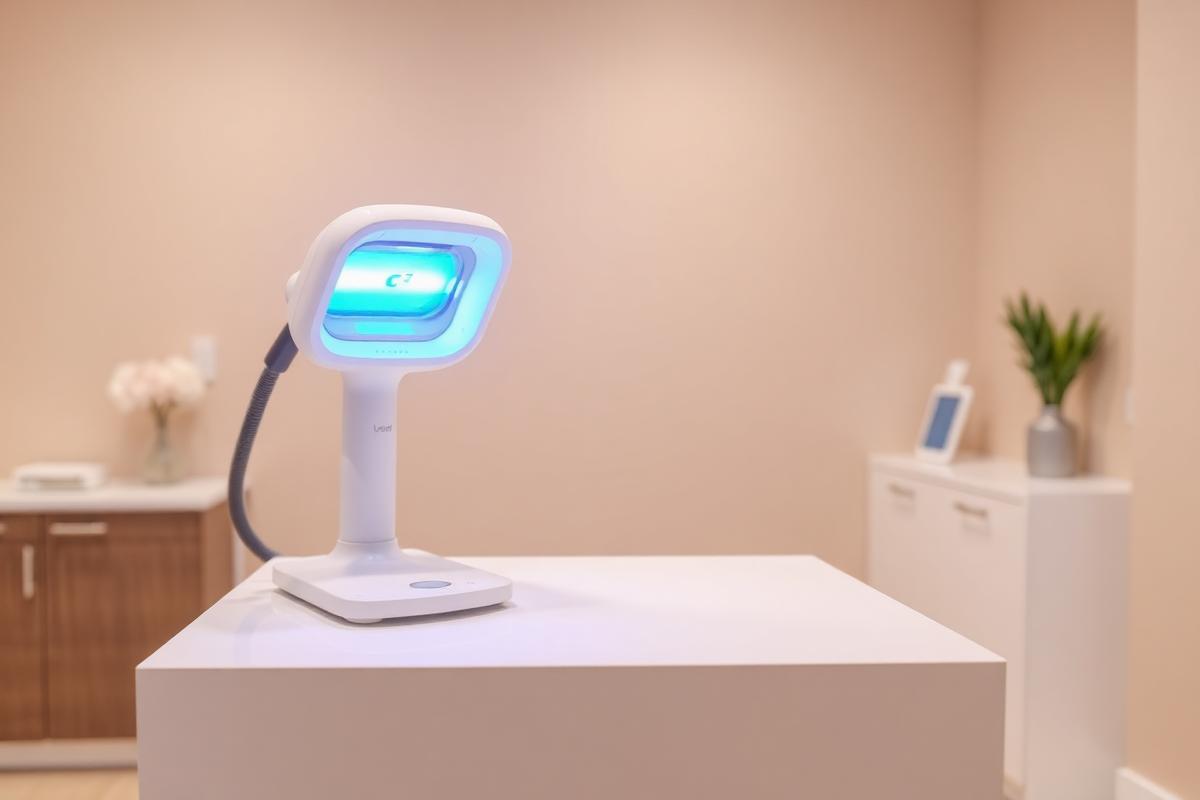
Devices like laser caps or helmets (several brands are FDA-cleared for androgenetic alopecia in both men and women) deliver low-level laser light to the scalp daily at home for ongoing maintenance. Cost is a one-time device purchase of roughly $600–$2,000. This is a genuinely FDA-cleared category, not an off-label or unregulated one, and it pairs reasonably with either minoxidil or PRP as a maintenance layer.
Exosome Therapy — Be Cautious Right Now
This one needs a real caveat, not a routine mention. Exosome treatments are often marketed alongside PRP as a "next-level" scalp treatment, but as of 2026, no exosome product has received FDA approval for any dermatologic or hair-loss use. The FDA has issued active warning letters to clinics marketing exosome treatments — including clinics in California — for offering unapproved biological products outside proper regulatory channels. The American Hair Loss Association does not endorse exosome-based hair loss treatment outside legitimate clinical trials.
This doesn't mean every clinic offering it is operating in bad faith, but it does mean you shouldn't treat it as a routine upgrade to PRP the way it's sometimes marketed. If a provider offers it, ask specifically what product they're using, whether it carries any FDA clearance, and be skeptical of a confident "yes, it's fully approved" — that answer would be incorrect as of 2026.
Step 3: Scalp Micropigmentation (SMP) — The Visual Fix, No Surgery
If you want an immediate visual improvement rather than (or alongside) a gradual regrowth approach, scalp micropigmentation is worth understanding. SMP is a specialized tattooing technique — not a medical or surgical procedure — that deposits pigment dots into the scalp to mimic the look of hair follicles, visually filling in a thinning hairline or part line. It doesn't regrow hair; it camouflages visible scalp between existing hairs, which can be a highly effective illusion of density.
Pricing typically runs $800–$2,500 depending on the size of the area, usually including 2–3 touch-up sessions. Because the technique for a subtle part-line or hairline density boost on a woman differs meaningfully from the more common full-scalp SMP marketed to men with advanced balding, look specifically for a technician with a real portfolio of female hairline and part-line work — not just general SMP experience. We don't currently track dedicated SMP specialists in our clinic directory, so this is worth researching directly and vetting the same way you'd vet any semi-permanent cosmetic tattoo provider: real before/after photos of similar cases, a clear consultation before booking, and a clean, licensed facility.
A Reasonable Sequence to Follow
- Months 1–6: Topical minoxidil, consistently, plus at-home microneedling if you want to add it. Don't judge results before month 4.
- If not enough: Add PRP (3–4 sessions) and/or an FDA-cleared LLLT device for ongoing maintenance.
- If you want an immediate visual fix, now or in parallel: Research scalp micropigmentation specifically for hairline/part-line coverage, vetting providers carefully.
- Skip or heavily question: Exosome add-ons, until the regulatory picture changes.
This article provides general information about non-surgical hair thinning treatments and typical Bay Area pricing. It is not medical advice. Hair loss can have underlying medical causes (thyroid, iron deficiency, hormonal conditions) that are worth ruling out with a doctor before starting any treatment protocol, and individual candidacy and results should always be confirmed directly with a licensed provider during a consultation.
For Patients
Find the right Bay Area clinic for you
Get our vetted clinic picks, real pricing ranges, and treatment guides — straight to your inbox.
Or get matched with a provider now →For Med Spa Owners
Reach thousands of Bay Area patients
List your clinic on Bay Area Med Spa Guide and get in front of high-intent patients actively searching for providers like you.
- ✓ Free to list — no upfront cost
- ✓ Appear in city and treatment searches
- ✓ Featured placement available
Frequently asked questions
Editorial content only — not medical advice. Consult a licensed provider before starting treatment.